| Address | 57, Buhwang-gil, Wando-gun, Jeonnam-Gwangju Special Metropolitan City |
|---|---|
| Area | Jeonnam-Gwangju |
| Type | Tourist attraction |
| Closed | N/A (Open all year round) |
| Phone | • 1330 Travel Hotline: +82-2-1330 (Korean, English, Japanese, Chinese) • For more info: +82-61-550-5761 |
| Website | http://www.wando.go.kr/tour |
| Directions | Naver Map Kakao Map Google Maps Google Maps has no turn-by-turn directions in Korea. Why |
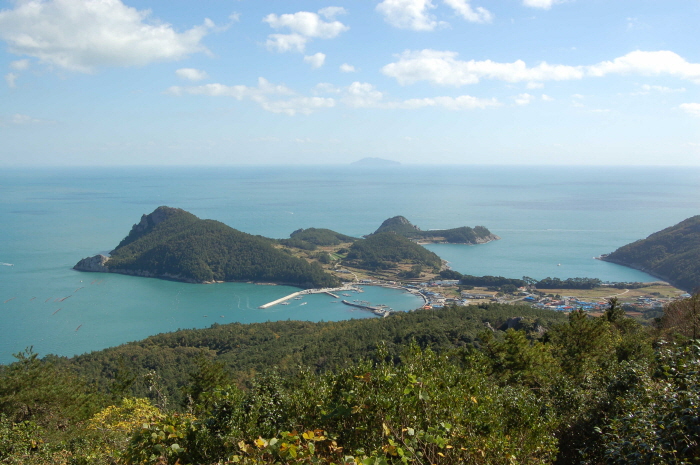
Yun Seon-do (1587~1671), a non-military civil administrator and poet in the mid Joseon dynasty, could hardly contain his anger after hearing the news that the king had surrendered during the Byeongjahoran War (Chinese invasion of Korea in 1636). Following the events, he decided to live in seclusion by moving to Jeju Island. However, on the way to Jeju, he came across Bogildo Island and he was so inspired by its beauty that he ended up settling down on Bogildo instead.
For the following 13 years, he composed great poems such as "Eobusasisa (Fisherman's Song for Four Seasons)." Some of the mountain peaks and rocks named by him still remain on the island.
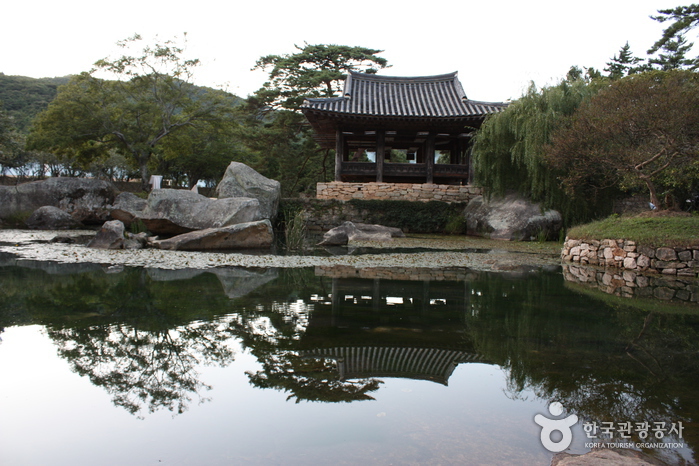
Seyeonjeong Pavilion was built by Yun Seondo and this is the birthplace of his literary works. On clear days, he would come to the pavilion with his family and let singers sing his verses.
Bogildo Island embraces both the Eastern outlook on nature and Neo-Confucianism ideology. While going around the island, visitors will get some semblance of how Yun Seondo harmonized man and nature through the combination of the island's natural and the man-made features.
The links below are affiliate links. If you book through them this site earns a commission at no extra cost to you. How this works.
While you are there
Read before you go
Source: Korea Tourism Organization (TourAPI). Listing generated 2026-08-26 16:21 UTC; details can change — check the official page before you go.